
Our Commitment
Commitment to Encouragement and Spiritual Strengthening
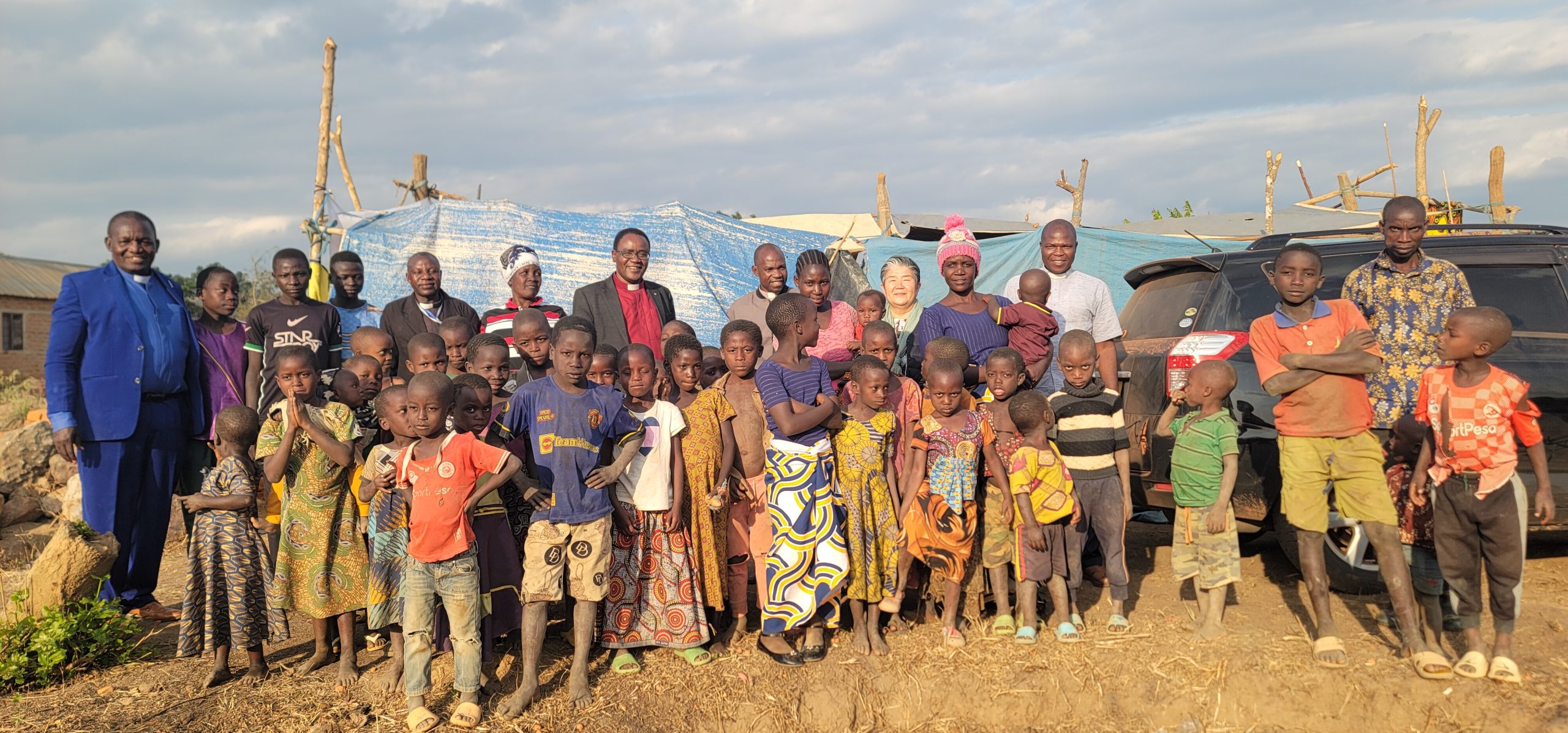
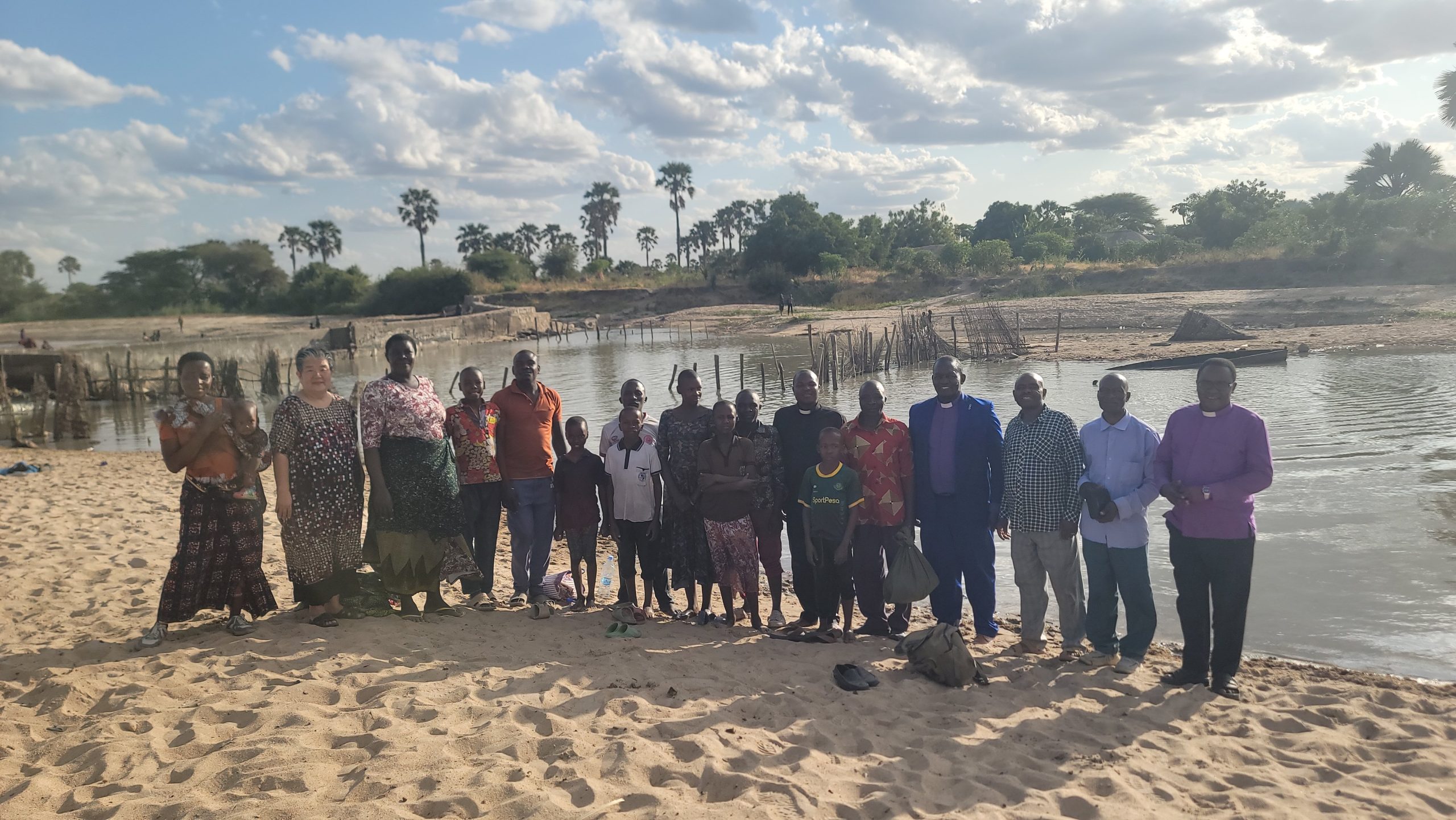
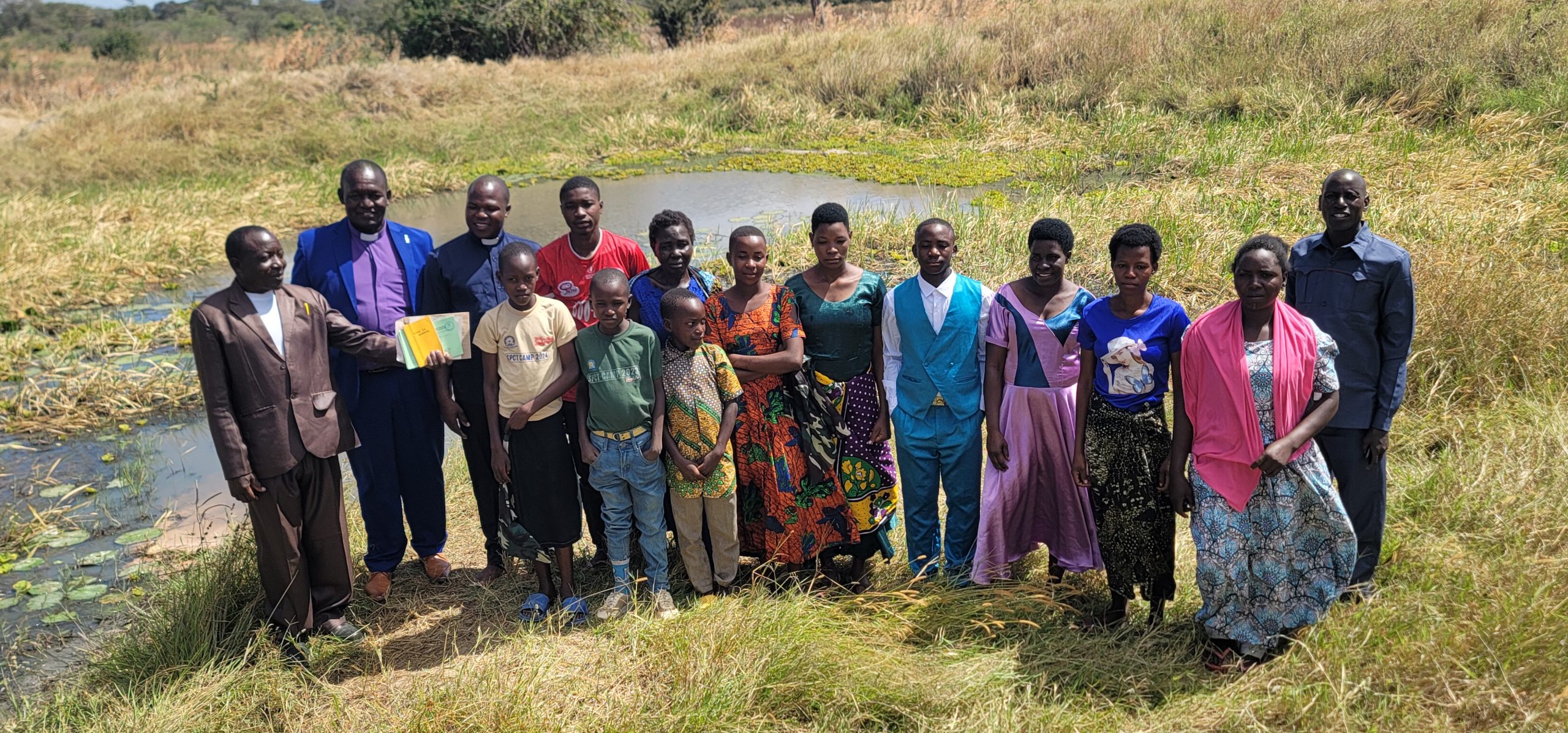
We are committed to regularly visiting our rural churches with the intentional purpose of encouraging the servants of God. Through these visits, we seek not only to uplift and affirm their calling, but also to witness and celebrate how God is actively working through them in their local contexts. We believe that such fellowship strengthens both the ministers and the wider body of Christ
Commitment to Leadership Development and Equipping
We are committed to providing structured leadership seminars in every church or regional area we visit. These seminars are designed to equip church leaders with sound biblical principles, practical ministry skills, and a deeper understanding of their calling. Our goal is to ensure that leaders are not only serving faithfully but are also growing in competence and maturity.
Commitment to Continuous Learning and Church Unity
We are committed to encouraging pastors and church leaders to pursue ongoing theological education and personal development, including formal studies at STS. Through this culture of learning and growth, we aim to build a stronger, more unified church, where leaders share a common vision, doctrine, and commitment to the advancement of the Kingdom of God.
Why Choose Us?
Choosing to walk with us is to take part in a ministry that is grounded in faithfulness, accountability, and visible transformation. Our work among rural churches is consistent and intentional, focusing on encouraging God’s servants, equipping leaders through sound teaching, and strengthening the church through ongoing theological formation at STS. The fruit of this work is evident in growing, stable, and united congregations.
This is not merely about resources, but about meaningful partnership in God’s work. Through prayer, shared vision, and mutual commitment, you become part of raising leaders who will stand firm in truth and continue the work in their communities. What is invested in this mission does not fade, but multiplies through lives changed, leaders strengthened, and churches built up as one body in Christ.
Why Rural Ministry Matters
The Gospel Must Reach Every Place
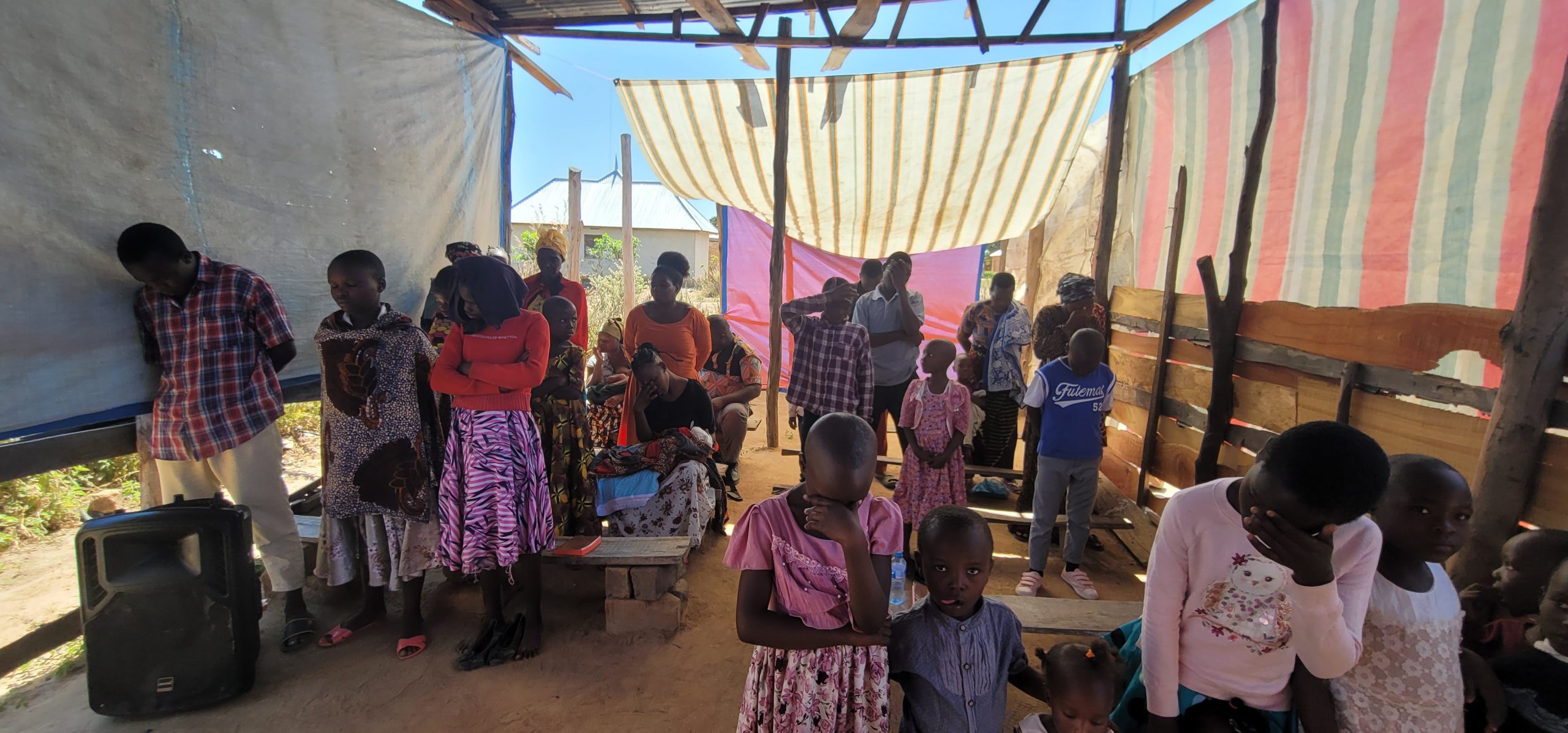
Rural communities are often underserved and, in many cases, overlooked in terms of consistent biblical teaching and pastoral care. Yet these are places where the hunger for truth is deep and genuine. When the church is absent or weak, believers can easily remain without guidance, sound doctrine, and encouragement. This creates a visible gap between the availability of the Gospel in urban areas and its accessibility in rural settings. Stepping into this space means participating in God’s mission to ensure that no community is left behind.
Leaders in Rural Areas Are Often Isolated
Many pastors and church leaders in rural areas serve with great faithfulness but without adequate support, training, or fellowship. Over time, this isolation can lead to discouragement, doctrinal imbalance, or stagnation in ministry. There is a clear need for intentional engagement that strengthens, equips, and reconnects these leaders to a broader body. Where such ministry is absent, the burden remains heavy on a few individuals. Engaging in this work helps close that gap by bringing encouragement, clarity, and renewed strength to those who carry the responsibility of shepherding others.
The Future of the Church Depends on Strong Foundations
Rural churches are not small in significance. They are part of the wider body of Christ and play a vital role in shaping communities and future generations. When leaders are not equipped and believers are not grounded in truth, the long-term health of the church is affected. This creates a gap between what the church is called to be and what it is able to become. Investing time, prayer, and presence in rural ministry helps build strong, unified, and theologically sound churches that will endure and multiply.
See Our Ministry in Pictures





CHURCH PLANTING AND LAND ACQUISITION PROPOSAL
Targeting Rural and Semi-Urban Areas of Tanzania
Shekinah Presbyterian Church Tanzania
P.O. BOX 32807
Email: spctanzania@gmail.com
April 2025
Biblical Foundation
“Go therefore and make disciples of all nations…”
— Matthew 28:19–20
“The harvest is plentiful, but the laborers are few…”
— Matthew 9:37
“Those who sow in tears shall reap with shouts of joy.”
— Psalm 126:5
Vision Statement
One village. One church. One soul at a time.
Executive Summary
This proposal presents a ten-year, strategic church planting initiative designed to reach the rural and semi-urban populations of Tanzania, with a special focus on two zones: the Lake Zone and the Western Zone. These regions, comprising 9 regions, 59 districts, and over 1,262 wards, represent some of the most spiritually underserved areas in the country, where many villages have no established church presence and where the gospel has not been systematically proclaimed.
The vision is to plant two churches in every district—starting with district headquarters—and from there, to launch new churches in every ward within the district. This will ensure that even the most remote communities have direct access to the gospel, spiritual care, and a nurturing fellowship of believers.
Each district-level church will act as a missional basecamp—a hub for evangelism, leadership development, and social engagement. From these centers, trained leaders and church planters will reach out into surrounding wards with the goal of planting one church per ward, thereby bringing light, truth, and transformation to the very grassroots of society.
To facilitate these goals, the ministry will provide each church plant with foundational support, including:
- Acquisition of land (for both rural and semi-urban church sites)
- Construction of temporary but functional worship shelters
- Provision of essential discipleship tools, including Bibles and teaching manuals
- Basic support for local pastors and training in leadership and sustainability
This initiative is not merely about establishing buildings — it is about planting gospel-centered communities that will evangelize the lost, disciple new believers, raise local leaders, and become agents of transformation in their villages.
We are seeking partnership from individuals, churches, ministries, and organizations who share in this vision and are willing to invest in the future of the church in Tanzania. Your involvement — through prayer, financial giving, or hands-on engagement — will have eternal impact, changing lives and communities village by village, soul by soul.
Contents
3.1. Lake Zone (Lake Victoria Region) 1
4.1. Phase 1: District-Level Churches (Years 1–3) 2
4.2. Phase 2: Ward-Level Expansion (Years 3–10) 2
6.1. Mobilize Their Own Members to Improve and Expand Church Facilities 3
6.2. Raise and Train Local Leaders to Disciple New Believers. 3
6.2.1. Why Local Leadership Matters. 3
6.2.2. Leadership Development Approach. 3
6.2.4. Spiritual Maturity and Accountability. 4
6.3. Engage in Income-Generating Projects. 4
6.4. Network with Nearby Churches for Support and Accountability. 4
8.1. Sponsor a Rural or District Church. 5
8.2. Support a Pastor ($5/month) 5
8.3. Donate Bibles or Discipleship Materials. 6
8.4. Provide a Motorcycle for Follow-Up. 6
8.5. Partner Through Prayer, Missions, or Visits. 6
8.6. Special Note to Potential Partners. 6
9.1. Over 1,300 Churches Established. 7
9.2. Thousands Discipled and Baptized. 7
9.3. Pastors and Evangelists Trained. 7
9.4. Social and Spiritual Change in Entire Wards. 7
9.5. A Network of Mission-Minded Churches Formed. 8
10.1. Transparent Financial Reporting. 8
10.2. Quarterly Updates and Impact Reports. 8
10.3. Field Visit Opportunities for Donors. 8
10.4. Full Documentation of Land Purchases and Church Plants. 9
11.1 Monthly Reports from Each Church. 9
11.2. District Supervisors Using Motorcycles for Follow-Ups. 10
11.4. Partner Engagement and Feedback Loop. 10
13.1.1. Opposition from Traditional Beliefs and Religious Backgrounds. 11
13.1.2. Poor Infrastructure and Remote Access. 11
13.1. 3. Limited Local Resources and Poverty. 12
13.1. 4. Leadership Burnout or Gaps. 12
13.2. Mitigation Strategies. 12
13.2. 1. Dialogue with Communities and Local Leaders. 12
13.2.2. Use of Motorcycles and Mobile Tools. 12
13.2.3. Simple, Scalable Church Structures. 12
13.2.4. Empowering and Mentoring Local Leaders Early. 13
- Sustainability Strategy. 13
- 1. Teaching Biblical Stewardship: Tithing and Offerings. 13
- 2. Establishing Local Church Committees. 13
14.3. Youth and Women Empowerment 14
14.4. Initiating Small Economic Projects for Self-Reliance. 14
15.1. Photos, Videos, and Receipts Will Be Shared. 15
15.2. Clear Donor Recognition. 15
15.3. Prayer Requests and Testimony Updates. 15
15.4. Financial Transparency Guaranteed. 16
16.1. Spiritual and Moral Development 16
16.2. Reduction in Social Challenges. 16
16.3. Counseling and Life Guidance. 17
16.4. Education and Literacy Boost 17
16.5. Community Cohesion and Unity. 17
16.6. Disaster and Crisis Response. 17
18.1. Bank Transfer (Option 1) 18
18.2.Bank Transfer (Option 2) 18
18.3.International Supporters. 18
18.4. Spiritual Support is Also Needed. 19
1. Introduction
Tanzania is a country of spiritual hunger, with many regions still unreached or underserved by the gospel. Rural communities and smaller towns often lack the resources or leadership to plant and sustain churches. Our ministry has a God-given vision to raise a gospel presence in these areas by planting churches, training leaders, and making disciples. This proposal presents a clear and achievable plan to establish churches in key areas and empower local believers for long-term spiritual impact.
2. Vision and Objectives
Vision:
To establish sustainable churches across rural and semi-urban areas of Tanzania, reaching every ward with the gospel and empowering local believers to grow and multiply.
Objectives:
- Plant two churches in each of the 59 districts (starting at district headquarters).
- Plant at least one church in each of the 1,262 wards.
- Support each church with basic startup resources including land, temporary structures, Bibles, and discipleship materials.
- Raise local pastors and leaders for long-term sustainability.
3. Project Scope and Target Areas
This project will focus on two major zones in Tanzania:
3.1. Lake Zone (Lake Victoria Region)
- Mwanza: 7 districts | 134 wards
- Mara: 6 districts | 144 wards
- Kagera: 7 districts | 209 wards
- Geita: 5 districts | 106 wards
- Simiyu: 5 districts | 133 wards
- Shinyanga: 3 districts | 126 wards
3.2. Western Zone
- Kigoma: 6 districts | 126 wards
- Tabora: 7 districts | 226 wards
- Katavi: 3 districts | 58 wards
3.3. Total Coverage
- 9 Regions
- 59 Districts
- 1,262 Wards
4. Church Planting Strategy
4.1. Phase 1: District-Level Churches (Years 1–3)
Establish one church in each district headquarters (59 churches). These will act as mission bases for reaching the surrounding rural wards.
4.2. Phase 2: Ward-Level Expansion (Years 3–10)
From each district center, trained evangelists and leaders will plant churches in every ward. The goal is one church per ward (1,262 churches total).
5. Support Model for Each Church Plant
Each new church will receive:
Item | Unit Cost (USD) | Details |
Land (Urban/District HQ) | $500 – $2,000 | Varies by location |
Land (Rural/Wards) | $200 – $600 | Varies by location |
Temporary Church Structure | $500 | Built with iron sheets & timber |
Bibles (5 per church) | $25 | $5 per Bible |
New Believer Booklets (10) | $40 | $4 each |
Pastor Basic Support (Monthly) | $5 | Approx. TZS 50,000 |
Motorcycle (1 per district) | $1,500 | For follow-up and training visits |
Total for 59 districts (motorcycles): 59 x $1,500 = $88,500
The goal is to offer only foundational help. Church members will be encouraged to continue the construction process, purchase chairs, musical instruments, and other needs as the church grows.
6. Long-Term Sustainability
The long-term success of this church planting initiative depends on the ability of each local church to become spiritually strong, financially self-sustaining, and socially active. While the ministry will provide initial support (land, structure, and materials), each congregation will be equipped and mentored to take ownership of their growth and mission.
Each church will be guided to:
6.1. Mobilize Their Own Members to Improve and Expand Church Facilities
Church members will be encouraged to:
- Participate in communal work (“harambee”) to upgrade temporary structures into permanent buildings over time
- Contribute locally available materials such as bricks, wood, or labor
- Organize internal fund drives to purchase chairs, musical instruments, and roofing materials
- Take pride and ownership in their church environment, ensuring care and maintenance
“Where your treasure is, there your heart will be also.” – Matthew 6:21
6.2. Raise and Train Local Leaders to Disciple New Believers
To ensure that each church becomes self-sustaining and spiritually healthy, we will intentionally identify, raise, and equip local leaders who can disciple others and continue the mission in their communities.
6.2.1. Why Local Leadership Matters
- Local leaders understand the language, culture, and context of their people
- They are accessible and relatable to new believers
- Their presence creates a sense of ownership and long-term stability in the church
6.2.2. Leadership Development Approach
- Mentorship Model: Every church planter or pastor will be encouraged to raise at least 2–3 emerging leaders through intentional mentorship
- Discipleship Groups: New leaders will be trained to lead Bible study groups, prayer cells, and new believer classes
- Rotational Teaching: Leaders in training will be given opportunities to teach and serve, building confidence and skill
- Mini-Courses & Training Modules: Short courses will be offered on topics such as:
- How to Lead a Small Group
- Basics of Christian Doctrine
- Leading Worship and Devotions
- Counseling and Caring for Others
- Evangelism and Follow-Up
6.2.3. Training Methods
- In-person gatherings and workshops in accessible areas
- Mobile training teams visiting remote villages
- Use of recorded teachings (audio or video) to allow self-paced learning
- Distribution of training booklets and leadership guides in Swahili
6.2.4. Spiritual Maturity and Accountability
- Each leader will be placed under supervision of a senior pastor or regional coordinator
- Ongoing evaluation and support will be provided
- Peer support networks will be formed to encourage mutual learning and growth
“And the things you have heard from me… entrust to reliable people who will also be qualified to teach others.” – 2 Timothy 2:2
6.3. Engage in Income-Generating Projects
Sustainability also involves practical empowerment:
- Churches will be encouraged to start small income-generating initiatives like vegetable farming, poultry, tailoring, or small shops
- Profits will support church expenses, pastor welfare, and outreach activities
- Women and youth groups may form savings groups (VICOBA/SACCOS models) within the church
- Economic empowerment reduces dependency and builds dignity
“Work with your hands… so that you will not be dependent on anybody.” – 1 Thessalonians 4:11–12
6.4. Network with Nearby Churches for Support and Accountability
Fellowship and connection are vital for encouragement and accountability:
- Churches in nearby wards or districts will form local clusters or fellowships
- These networks will help share best practices, training opportunities, and prayer support
- Regular gatherings (e.g., zonal revival meetings or leadership forums) will build unity and momentum
- Pastoral oversight and mentoring will continue through the regional coordination system
7. Project Timeline (10 Years)
Year | Key Milestone |
Years 1–3 | Establish 59 district-level churches |
Years 3–10 | Plant churches in 1,262 wards |
Ongoing | Leadership training, discipleship, and follow-up |
8. Partnership Opportunities
This mission is too big for one church alone—but not too big for the Body of Christ. We believe that when churches, individuals, organizations, and ministries join hands for the sake of the Kingdom, nothing is impossible.
We warmly invite you to partner with us in this movement. Whether you’re able to give financially, provide materials, pray, or visit in person — there is a place for you in this mission.
8.1. Sponsor a Rural or District Church
- Support the planting of a new church in a village or district center
- Your gift will help purchase land, erect a temporary structure, and provide essential ministry tools
- A donor can sponsor:
- A full church plant ($765–$2,615 depending on location)
- Part of a church (e.g., structure only, land only, Bibles only)
- We will provide updates, photos, and testimonies from the church you support
8.2. Support a Pastor ($5/month)
- Many of the church planters are volunteers or bi-vocational leaders with limited income
- A monthly gift of just $5 (approx. TZS 50,000) will go toward basic support for transportation, food, or study materials
- You may choose to sponsor a specific pastor and receive their ministry updates
8.3. Donate Bibles or Discipleship Materials
- Every new church receives a startup package of 5 Bibles and 10 discipleship manuals
- You can give:
- $5 for one Bible
- $4 for each New Believer booklet
- Or donate bulk quantities for distribution to multiple churches
- These materials are life-changing and urgently needed
8.4. Provide a Motorcycle for Follow-Up
- Each district will need at least one motorcycle to help supervisors and leaders travel between churches
- One motorcycle costs about $1,500 and can serve hundreds of believers over years
- You may choose to sponsor a motorcycle fully or contribute toward one
8.5. Partner Through Prayer, Missions, or Visits
- Prayer is the fuel of missions. Join our prayer team by receiving monthly prayer updates
- Churches or individuals may organize short-term mission trips to visit or serve in the field
- Medical teams, teachers, children’s workers, and youth leaders are also welcome
- Your physical presence and encouragement in the mission field makes a lasting impact
8.6. Special Note to Potential Partners
You may not be able to plant a church alone — but you can be the reason one exists.
You may not preach in a rural village — but you can send someone who will.
You may not know the language — but your gift can speak the language of love, truth, and hope.
“How beautiful are the feet of those who bring good news…” – Romans 10:15
Let us walk together — to the last village, for the last soul.
9. Expected Outcomes
The long-term implementation of this project across 59 districts and 1,262 wards is expected to result in transformational spiritual, social, and structural impact in the lives of thousands. Below are the key outcomes anticipated over the 10-year implementation period:
9.1. Over 1,300 Churches Established
- Churches will be planted in each district and ward — providing a permanent gospel presence where there was previously none
- Each church will serve as a lighthouse of faith, hope, and healing in its respective village or town
- These churches will form the foundation for discipleship, community development, and ongoing missions
9.2. Thousands Discipled and Baptized
- New believers from various backgrounds — including unreached, animist, and nominal communities — will come to Christ
- Structured discipleship programs will lead to deep spiritual growth and life transformation
- Thousands will be baptized as public witnesses of their faith
- Entire families and clans may come to Christ through the testimony of one church
9.3. Pastors and Evangelists Trained
- Hundreds of local leaders, many with no prior theological education, will be equipped with short-course ministry training
- A new generation of grassroots pastors and evangelists will be raised, rooted in their communities and culture
- These leaders will be able to multiply ministry, plant new fellowships, and disciple others effectively
- Leadership development will become a continuous process across the church network
9.4. Social and Spiritual Change in Entire Wards
- With the gospel rooted in local communities, issues such as:
- Witchcraft, fear, and ancestral bondage will be replaced with truth and freedom in Christ. For example, for many years, the Shinyanga, Simiyu and Tabora regions have been plagued by the superstition of killing elderly women on suspicion of witchcraft. Also, during election periods, some regions kill people with albinism to gain win elections.
- Alcoholism, abuse, and violence will decline as biblical values take root.
- Hopelessness and isolation will be replaced by fellowship, purpose, and love
- The church will become a center for peace, reconciliation, and positive cultural transformation
9.5. A Network of Mission-Minded Churches Formed
- The established churches will not function in isolation — they will form a cohesive, cooperative, and accountable network
- These churches will support one another through prayer, training, and missions
- Strong churches will help plant new ones, creating a multiplication movement across Tanzania and beyond
- The vision is not just to plant churches, but to start a movement of disciples who make disciples
10. Our Accountability Commitment
We understand that accountability is not just a financial requirement – it is a spiritual responsibility. As good stewards of what God provides through His people, we are committed to the highest standards of integrity, transparency, and reporting.
10.1. Transparent Financial Reporting
- All donations received will be recorded, tracked, and allocated clearly according to the donor’s intention
- Expenditure breakdowns will be documented and audited internally
- Regular financial summaries will be available to donors and partners upon request
- Receipts and proof of purchase (especially for land, building materials, and motorcycles) will be archived and reported
10.2. Quarterly Updates and Impact Reports
- Every three months, partners will receive:
- Narrative reports (stories of progress, testimonies, challenges, and lessons)
- Financial reports (overview of how funds have been used)
- Photos and media from the field (church construction, gatherings, outreach, etc.)
- Reports will be shared via email, printed formats, or digital links
- Donors may also receive special reports upon major project completions
10.3. Field Visit Opportunities for Donors
- Donors and partners are welcome to visit selected mission areas during special outreach weeks
- The ministry will help with on-ground coordination, including:
- Meeting local pastors and congregations
- Visiting sites where land has been purchased or churches have been planted
- Participating in worship services, training, or community engagement
- These visits strengthen trust, relationship, and future collaboration
10.4. Full Documentation of Land Purchases and Church Plants
- Every land purchase will be:
- Legally registered in the name of the ministry
- Documented with maps, titles, and photos
- Reported back to the donor (if applicable)
- Every church plant will have a:
- Recorded location and name
- Founding date
- Basic profile of the local leadership
- Progress records (members, attendance, ministries active)
“Whoever is faithful with little will also be faithful with much…” – Luke 16:10
We want our supporters to feel confident, informed, and connected to the very mission they are empowering. Transparency is not an obligation for us – it is a testimony.
11. Monitoring and Evaluation
To ensure accountability, effectiveness, and continuous improvement, this project will include a structured system for Monitoring and Evaluation (M&E) at all levels of implementation. This system will help track progress, identify challenges, and capture impact across the districts and wards.
The M&E plan will include both quantitative and qualitative tools, and will involve church leaders, regional coordinators, and external observers when necessary.
11.1 Monthly Reports from Each Church
- Every local church will submit simple monthly reports documenting:
- Attendance figures (adults, youth, children)
- Number of new believers and baptisms
- Discipleship groups and training sessions held
- Prayer and outreach activities conducted
- Needs or challenges facing the local congregation
- Reports will be submitted through WhatsApp, email, or physical delivery depending on location
11.2. District Supervisors Using Motorcycles for Follow-Ups
- Each district will have a designated regional overseer or coordinator, equipped with a motorcycle
- These leaders will visit churches regularly to:
- Verify progress physically
- Encourage pastors and church leaders
- Help solve problems on the ground
- Mentor local leadership
- Field visits will be logged with photos, notes, and summary reports
11. 3. Annual Assessments and Progress Reviews
- Once per year, a comprehensive evaluation will be conducted in each district
- The assessment will include:
- Comparison between goals and actual achievements
- Review of financial use, land purchases, and structure completion
- Feedback from church members and community leaders
- Analysis of spiritual and social impact in the area
- Evaluation tools may include interviews, surveys, checklists, and site visits
11.4. Partner Engagement and Feedback Loop
- Reports will be compiled and sent to donors and prayer partners
- A feedback mechanism will be in place so donors can ask questions or provide suggestions
- Testimonies and success stories will also be collected and shared in newsletters or presentations
- Adjustments and strategic improvements will be made based on evaluation findings
“Let us examine our ways and test them, and let us return to the Lord.” – Lamentations 3:40
12. How You Can Get Involved
Area | Support (USD) |
Sponsor a Rural Church | $765 – $1,165 |
Sponsor a District Church | $1,090 – $2,615 |
Motorcycle for Oversight | $1,500 |
Pastor Support (monthly) | $5 |
Bible (1 copy) | $5 |
New Believer Book (1 copy) | $4 |
General Donation | Any amount |
13. Risks and Mitigation
As with any long-term grassroots initiative, the success of this project depends not only on vision and resources but also on our ability to recognize and navigate potential risks. Below are the key risks we anticipate, along with proactive strategies to mitigate them:
13.1. Potential Risks
13.1.1. Opposition from Traditional Beliefs and Religious Backgrounds
- Some communities are heavily influenced by traditional practices, witchcraft, or animist worldviews
- Others may have a dominant presence of another religion that may view church planting with suspicion or hostility
- In some cases, there may be resistance to change, especially from elders or local gatekeepers
13.1.2. Poor Infrastructure and Remote Access
- Many of the target wards are located in hard-to-reach rural areas, with bad or no roads, especially during rainy seasons
- Communication networks may be weak or unavailable
- Transporting building materials or visiting pastors may become difficult
13.1. 3. Limited Local Resources and Poverty
- Local believers may lack financial capacity to build or maintain church structures without long-term support
- Some pastors may struggle with survival needs and be tempted to leave the ministry
- The community might depend too heavily on external support if not well-guided
13.1. 4. Leadership Burnout or Gaps
- Church planters in remote areas may feel isolated and overwhelmed
- Lack of formal theological training may result in weak doctrinal foundations
- If not mentored, some leaders may lose focus, fall into sin, or mismanage the church
13.2. Mitigation Strategies
13.2. 1. Dialogue with Communities and Local Leaders
- We will start each church plant with intentional community engagement
- Local elders, government leaders, and religious figures will be informed, respected, and consulted
- Churches will offer practical services (e.g. moral guidance, counseling, child education) to build trust
- Training in contextual evangelism will help church planters present the gospel in a culturally sensitive way
13.2.2. Use of Motorcycles and Mobile Tools
- Motorcycles will allow supervisors and evangelists to reach even the most remote wards
- Digital tools (WhatsApp, SMS, radio, USB drives) will be used to share sermons and teachings where roads fail
- Materials and manuals will be designed for low-resource settings, including visual aids and Swahili content
13.2.3. Simple, Scalable Church Structures
- Churches will begin with temporary, low-cost shelters (iron sheets, timber, or local materials)
- As membership grows, congregations will mobilize locally to upgrade buildings
- The focus will remain on people, not buildings, especially in the early years
13.2.4. Empowering and Mentoring Local Leaders Early
- Every church planter will be expected to train 2–3 emerging leaders
- Ongoing short-course trainings will be provided in leadership, doctrine, and pastoral care
- Peer support groups and supervisory visits will provide accountability and encouragement
- Succession plans will be introduced early to ensure continuity if a leader must step down
“The prudent see danger and take refuge, but the simple keep going and suffer for it.” – Proverbs 27:12
14. Sustainability Strategy
The long-term vision of this church planting initiative is not only to start new churches, but to build strong, self-sustaining, and multiplying churches rooted in their communities. From the very beginning, each church will be guided toward self-reliance through a clear sustainability framework.
14. 1. Teaching Biblical Stewardship: Tithing and Offerings
- Every church will receive foundational teaching on biblical giving, emphasizing:
- The importance of tithes and offerings for church growth
- Stewardship as a spiritual act of worship and responsibility
- Giving even in poverty — like the widow who gave her last coin
- Pastors will be trained to teach on financial faithfulness and integrity
- Local believers will be encouraged to own the mission of their church by supporting it faithfully
“Each one must give as he has decided in his heart… for God loves a cheerful giver.” – 2 Corinthians 9:7
14. 2. Establishing Local Church Committees
- Each church will form a leadership or management committee of local believers
- Committees will help:
- Oversee finances and budgeting
- Plan church activities and outreach
- Resolve conflicts and provide accountability
- Mobilize resources for building and ministry needs
- Training will be given to committee members on basic leadership, planning, and transparency
14.3. Youth and Women Empowerment
- Young people and women are often underutilized but are essential for church vitality
- The project will intentionally empower:
- Youth: to lead worship, evangelism, and digital outreach
- Women: to lead fellowships, children’s ministries, and income groups
- Capacity-building seminars and discipleship groups will be used to nurture their gifts and confidence
- Special attention will be given to raising female role models and leaders from the community
14.4. Initiating Small Economic Projects for Self-Reliance
- Churches will be encouraged to launch simple, manageable economic activities, such as:
- Farming small plots or gardens
- Keeping poultry or goats
- Selling church-related items (books, crafts, snacks)
- Group savings and loan schemes (VICOBA-style)
- Profits from these activities will help cover:
- Minor church expenses (e.g. repairs, water, cleaning)
- Pastor or evangelist transport
- Community service or outreach initiatives
- These projects will also teach entrepreneurship, discipline, and cooperation among believers
“You yourselves know that these hands of mine have supplied my own needs and the needs of my companions.” – Acts 20:34
The goal is that after receiving the initial support, each church will grow into a fully functional, generous, and community-impacting congregation, capable of supporting itself and even helping others.
15. Accountability and Reporting
We are committed to operating with the highest levels of integrity, transparency, and communication. We believe that accountability is not just a financial requirement — it is an expression of love, trust, and honor toward those who invest in the work of God.
15.1. Photos, Videos, and Receipts Will Be Shared
- Every church plant, land purchase, motorcycle delivery, or community event will be documented through photos and/or short video clips
- These visuals will be shared with donors and partners as evidence of impact and progress
- Receipts for major purchases (e.g. land, construction, materials, Bibles) will be scanned and made available on request or during scheduled reporting
- A media team or designated regional coordinators will ensure proper data collection
15.2. Clear Donor Recognition
- Each church plant or donation will be tagged to its respective donor (unless anonymity is requested)
- Donors may receive a certificate of appreciation or an update titled “Your Church in Tanzania” with the name and location of the church they helped plant
- In some cases, donors can name a church plant in memory or honor of a loved one (upon agreement)
- Acknowledgments may also be made during regional events or in ministry newsletters
15.3. Prayer Requests and Testimony Updates
- We will maintain spiritual communication with our supporters, not just financial reporting
- Donors and prayer partners will receive regular:
- Prayer needs from pastors and communities
- Praise reports and testimonies of transformation
- Stories of individuals and families touched by the gospel
- These updates will be sent via email, WhatsApp, or a secure partner mailing list
“Not that I desire your gifts; what I desire is that more be credited to your account.” – Philippians 4:17
15.4. Financial Transparency Guaranteed
- All funds received will be carefully recorded, managed, and used only for their intended purposes
- Budgets will be established for every district or phase of the project
- Reports will include:
- Amount received
- Amount spent
- Purpose and breakdown
- Balance and next steps
- An internal review and external feedback system will be in place to ensure faithful stewardship
In everything we do, we strive to reflect the character of Christ — faithful, trustworthy, and true. Our prayer is that our partners will always feel informed, involved, and appreciated.
“Now it is required that those who have been given a trust must prove faithful.” – 1 Corinthians 4:2
16. How Local Communities Will Benefit from These New Churches
The establishment of new churches in rural and semi-urban areas will not only fulfill spiritual needs, but will also lead to visible transformation in local communities. Below are some key ways communities will benefit:
16.1. Spiritual and Moral Development
- People will hear the gospel and be taught the Word of God
- Families will experience peace, forgiveness, and reconciliation
- Youth will be mentored and guided spiritually
- Communities will begin to embrace honesty, love, and servant leadership
16.2. Reduction in Social Challenges
Churches will help combat:
- Witchcraft and fear-based traditions
- Alcoholism, drug abuse, and violence
- Gender-based violence and early marriages
- Idleness and hopelessness among young people
16.3. Counseling and Life Guidance
- Local pastors and leaders will provide counseling for families, youth, and individuals
- Churches will offer spiritual guidance during times of crisis (e.g., death, divorce, sickness)
- Churches will become safe spaces for community conversations and healing
16.4. Education and Literacy Boost
- New believers will learn to read the Bible, improving literacy
- Sunday schools will help children grow morally and intellectually
- Seminars and trainings will be offered for parenting, marriage, and youth leadership
16.5. Community Cohesion and Unity
- Churches bring together people from different backgrounds
- They teach forgiveness, cooperation, and peacebuilding
- Through regular fellowship and events, communities will become more united
16.6. Disaster and Crisis Response
- In times of floods, droughts, or emergencies, churches often become the first responders
- With strong local presence, churches will serve as channels for food, water, or shelter distribution (especially through partner organizations)
17. Final Words
This is not just another project — this is a divine assignment. It is a holy invitation to partner with God in bringing His Kingdom to the forgotten corners of Tanzania.
We believe that this moment is prophetic, strategic, and urgent.
There are thousands — even millions — who have not heard the name of Jesus. Villages where no church exists, families living in spiritual darkness, and children growing up without hope.
This is our time to respond. The opportunity is open:
- The hearts of the people are ready
- The fields are white for harvest
- The workers are willing — they just need to be sent
The vision is simple but powerful: One village. One church. One soul at a time. We are not asking you to do everything. But we are inviting you to do something. Whether it is sponsoring one church, praying for one pastor, giving one Bible, or visiting one village — your part matters.
Together, we can raise a new generation of churches — churches that shine with truth, stand in love, and serve their communities with purpose.
“Those who sow in tears will reap with songs of joy.” – Psalm 126:5
This is our moment. Let us walk together to reach the unreached — village by village, soul by soul.
18. How to Support This Mission Financially
We welcome your partnership in bringing the gospel to the unreached. If you feel led to contribute financially to this mission, below are the official bank details for Shekinah Presbyterian Church Tanzania:
18.1. Bank Transfer (Option 1)
Bank Name: CRDB BANK PLC
Account Name: Shekinah Presbyterian Church Tanzania
Account Number: 0150823432100
SWIFT Code: CORUTZTZ
City: Dar es Salaam, Tanzania
18.2. Bank Transfer (Option 2)
Bank Name: Akiba Commercial Bank PLC
Account Name: Shekinah Presbyterian Church Tanzania
Account Number: 10900271277
SWIFT Code: AKCOTZTZXXX
City: Dar es Salaam, Tanzania
18.3.International Supporters
- Please ensure you use the correct SWIFT Code and church name as reference when sending international transfers
- For large donations or specific designation (e.g., for land, motorcycles, Bibles), kindly email us at: spctanzania@gmail.com for follow-up and documentation
18.4. Spiritual Support is Also Needed
If you are unable to give financially at this time, we invite you to support us through:
- Prayer: Join our monthly prayer points mailing list
- Advocacy: Share this vision with your network or church
- Visit: Come and see what the Lord is doing in the villages of Tanzania
“Each of you should give what you have decided in your heart to give, not reluctantly or under compulsion, for God loves a cheerful giver.” – 2 Corinthians 9:7
Together, we can reach the last village — with love, with hope, and with the gospel of Jesus Christ.